
Hedges do a lot more than mark the edge of a commercial garden. They shape first impressions, guide movement, screen busy areas and help outdoor spaces feel cared for throughout the year.
When hedge cutting is left too long, small issues can quickly become more noticeable. Growth starts to lean into paths, entrances feel narrower, signs can become harder to see and the whole site can look less managed than it really is.
Why hedges matter in commercial gardens
In a commercial setting, hedges are part of how a site works. They can define boundaries, separate public and staff areas, soften hard landscaping and create a more ordered feel around entrances, car parks, walkways and shared outdoor spaces.
Because they are living features, hedges change constantly. New growth can be useful, but without routine trimming it can also reduce visibility, crowd access routes and make a smart garden look untidy. Regular hedge cutting keeps that growth under control while preserving the purpose of the planting.
For facilities teams, property managers and business owners, this matters because outdoor areas are often judged quickly. Visitors, staff, residents or customers may not notice every detail when a garden is well maintained, but they often notice when boundaries are ragged, branches are overhanging or entrances feel neglected.
Keeping boundaries neat and well defined
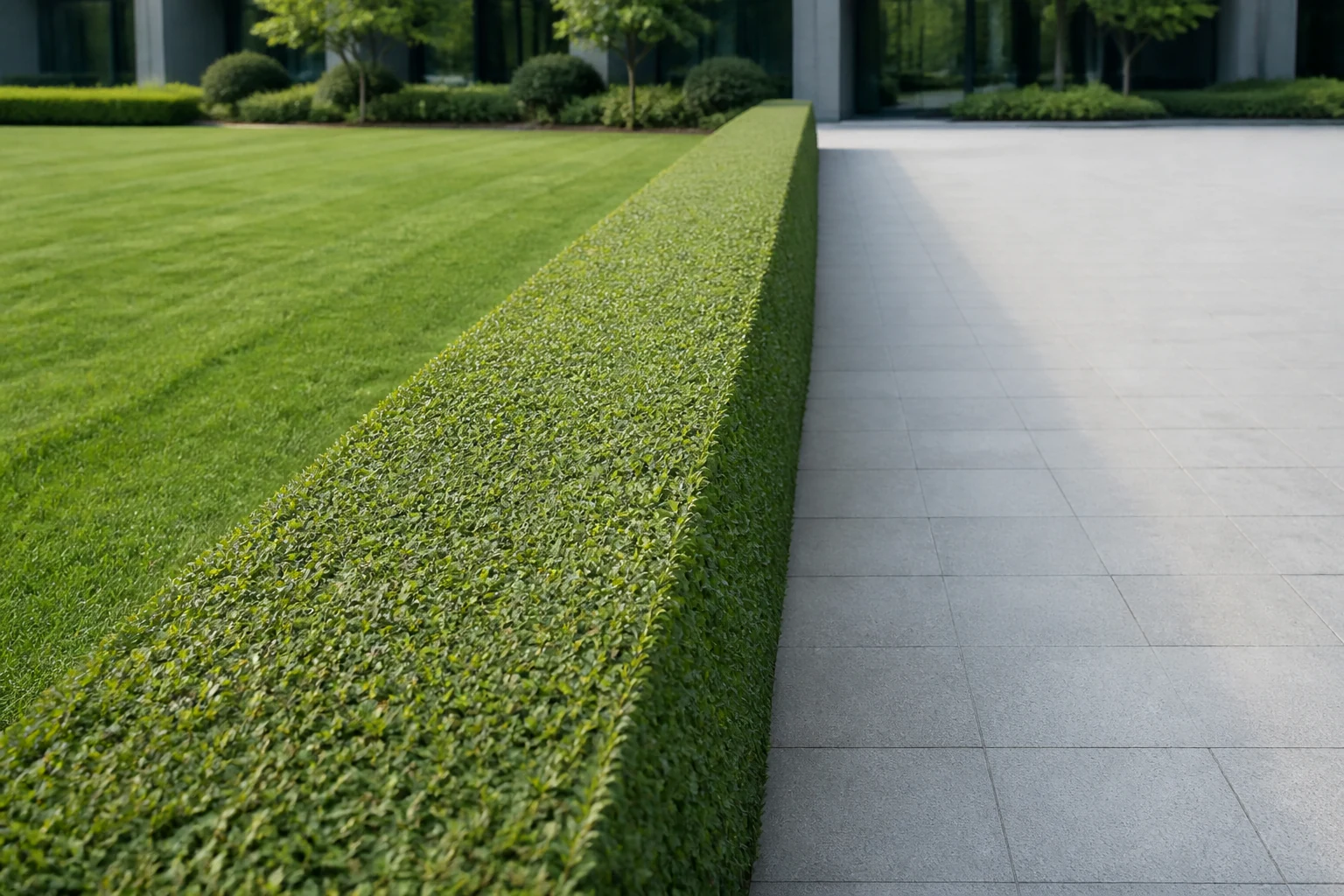
One of the clearest benefits of regular hedge trimming is the way it keeps boundaries crisp. A neat hedge gives a property structure. It shows where routes begin, where planted areas sit and where neighbouring spaces are separated.
On commercial sites, boundaries need to be practical as well as presentable. A hedge that grows too wide can creep beyond its intended line, reducing usable space and creating a more cluttered feel. It may also begin to interfere with fencing, gates, lighting, signage or nearby planting.
Routine cutting helps hedges hold their shape. Rather than removing a large amount of growth in one visit, planned maintenance allows lighter, more controlled trimming at suitable intervals. This usually produces a tidier finish and helps avoid the stark look that can follow infrequent heavy cuts.
Neat boundaries also make other maintenance tasks easier. Mowing, litter picking, weed control and path care can all be carried out more efficiently when hedges are not spilling into the working area. This is where hedge cutting fits naturally into wider commercial garden maintenance, rather than being treated as a one off task.
Protecting access, visibility and everyday movement
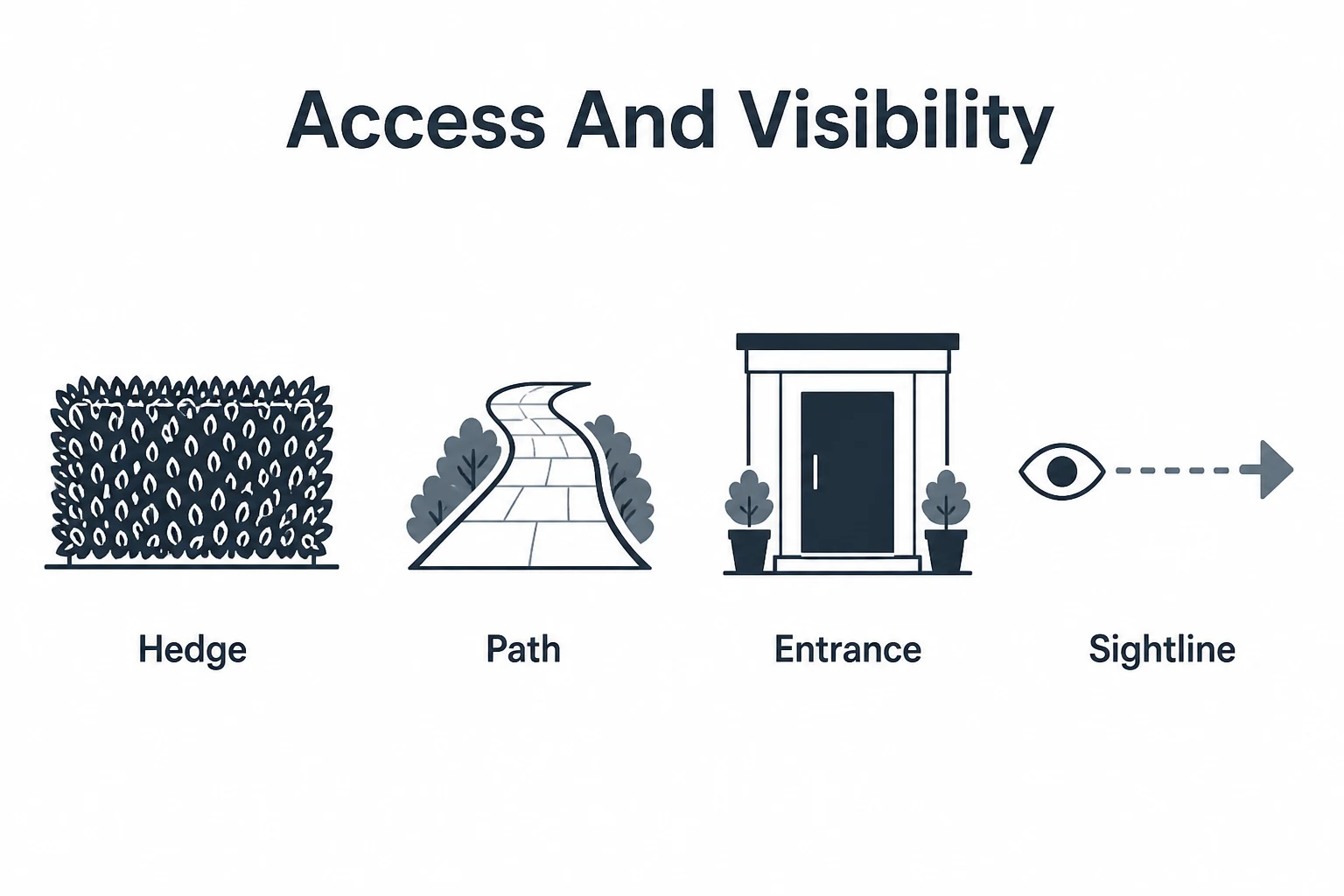
Commercial gardens need to be easy to move through. People should be able to use paths, entrances, seating areas and service routes without brushing past branches or stepping around overgrowth.
Hedges that are left unchecked can gradually narrow access points. This can be especially noticeable near doorways, bin stores, car park edges and paths used by delivery teams or maintenance staff. Even modest overgrowth can make a route feel less inviting and less practical.
Regular hedge cutting helps keep walkways clear and sightlines open. This is useful around entrances, directional signs, lighting columns and vehicle movement areas. The aim is not to strip away planting, but to make sure greenery supports the site rather than obstructing it.
Good access also affects the feel of a site. When outdoor areas are open, tidy and easy to navigate, people are more likely to use them comfortably. For workplaces, managed residential grounds, education settings, retail premises and hospitality spaces, that everyday ease can make a real difference.
Supporting kerb appeal and professional standards
Kerb appeal is not only about making a site look attractive. It is about creating confidence. A well kept exterior suggests that the rest of the property is managed with care, which matters for customers, visitors, tenants, staff and contractors.
Hedges have a big impact because they are often close to entrances, boundaries and public facing areas. When they are evenly trimmed, the whole garden can appear more orderly. When they are uneven or overgrown, they can make otherwise clean and functional spaces feel unfinished.
Routine hedge cutting helps maintain a consistent standard between larger garden visits. It reduces the chance of sudden overgrowth dominating the site and allows seasonal changes to be managed in a steady way.
For businesses with multiple outdoor responsibilities, hedge cutting often works best as part of broader grounds maintenance. Lawns, borders, hard surfaces and hedges all influence how a site is perceived, so keeping them aligned helps the whole exterior feel coherent and cared for.
Helping hedges stay healthy and manageable
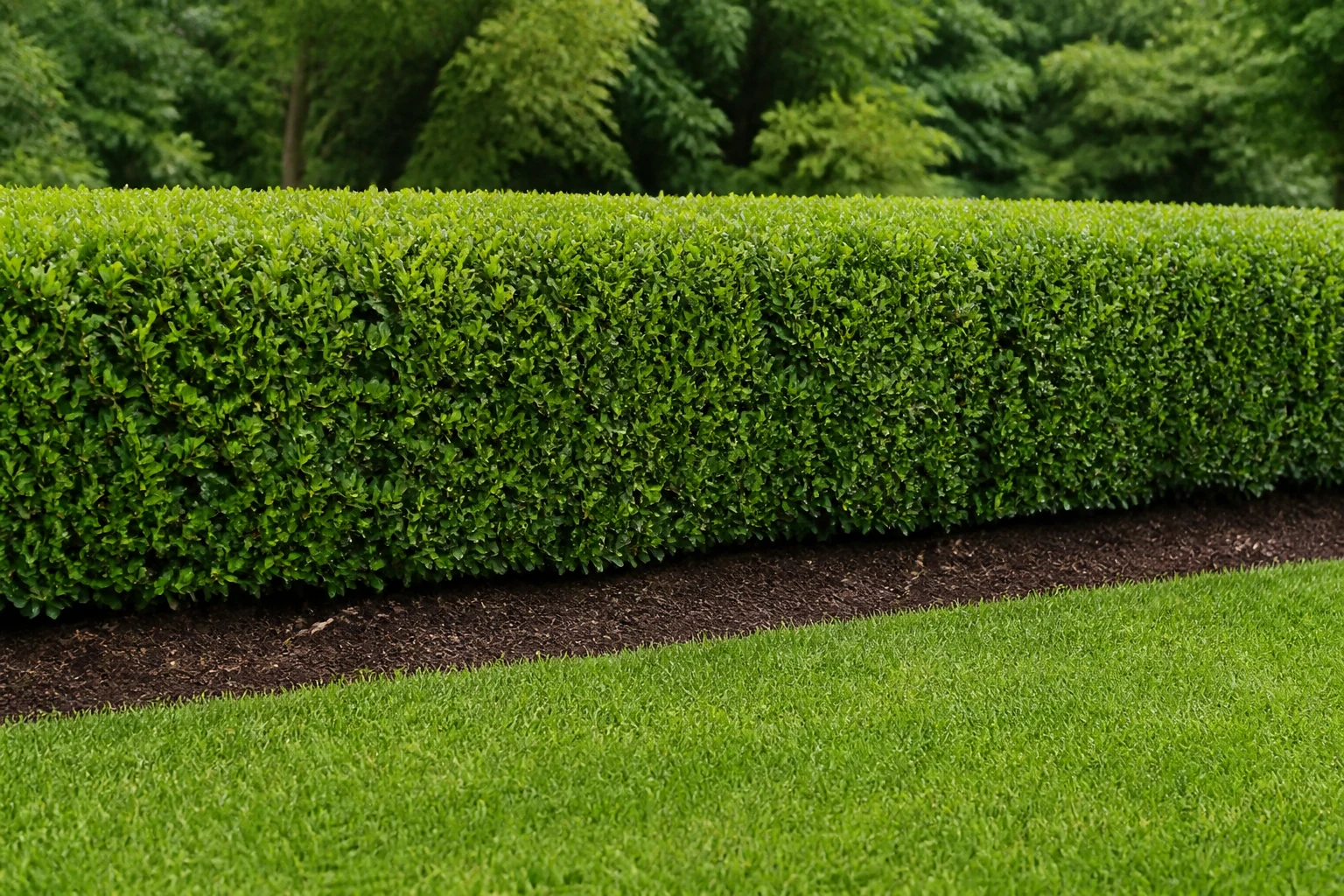
Regular trimming can also support healthier growth when it is carried out correctly. Removing excess growth at the right time encourages a denser, more even shape and helps reduce the risk of hedges becoming leggy, uneven or difficult to bring back under control.
Different hedge species have different habits. Some respond well to frequent light trimming, while others need more careful timing. Nesting wildlife, plant condition and weather can also affect when and how cutting should be approached.
A responsible maintenance plan takes these factors into account. The aim is to keep the hedge looking good while respecting the plant and the wider garden environment. That means using suitable equipment, making clean cuts and avoiding unnecessary stress to the hedge.
Keeping hedges manageable also helps with future costs in a practical sense, without turning maintenance into a major intervention. When growth is controlled routinely, teams can maintain the intended height and width more easily and spot developing issues before they become more disruptive.
What a sensible hedge cutting schedule should consider
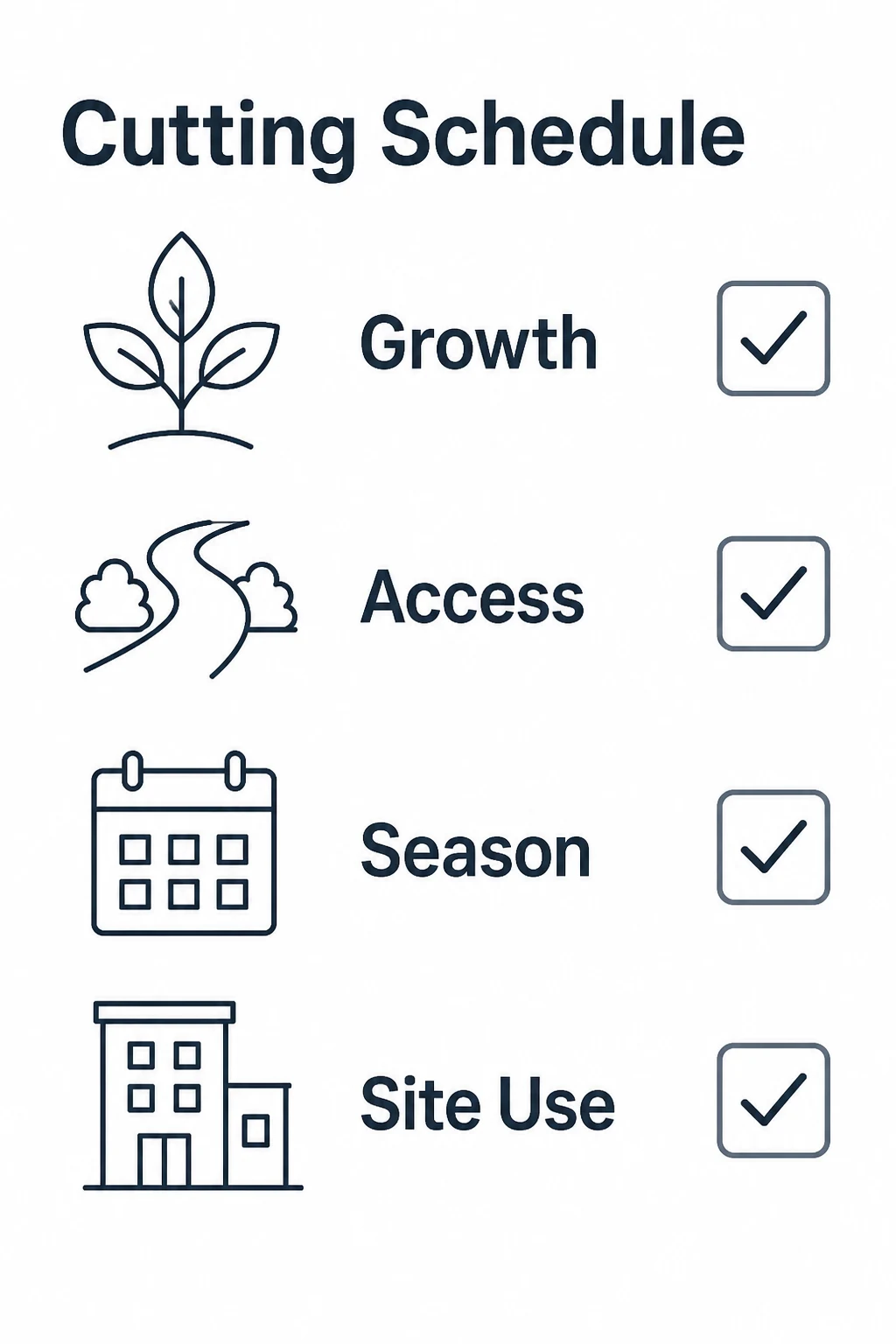
There is no single schedule that suits every commercial garden. The right frequency depends on the hedge species, its position, the standard expected on site and how quickly the space needs to look tidy after seasonal growth.
High visibility areas near entrances and frontages may need closer attention than hedges in less prominent parts of a site. Hedges beside paths, parking spaces or access routes may also need trimming before they become an obstruction.
A sensible plan should consider:
- The purpose of each hedge, such as screening, boundary definition or decoration.
- How quickly growth affects access, signage, lighting or sightlines.
- The desired shape, height and density.
- Seasonal growth patterns and any wildlife considerations.
- How hedge cutting fits with other garden tasks.
Mulberry Facilities Maintenance can help businesses plan hedge cutting as part of a practical, routine garden care programme. The best approach is usually one that keeps the site looking consistently maintained, rather than waiting until hedges have become an obvious problem.
- Regular hedge cutting keeps commercial garden boundaries neat, clear and easy to manage.
- Well maintained hedges support access, visibility and everyday movement around a site.
- Routine trimming helps protect kerb appeal and gives visitors confidence that the property is cared for.
- A planned approach is usually better than occasional heavy cutting because it keeps growth under steady control.
- Hedge cutting works best when it forms part of wider commercial garden care.
Frequently asked questions
How often should commercial hedges be cut?
It depends on the hedge type, growth rate and how visible or busy the area is. Many commercial sites benefit from planned trimming during active growth periods, with timing adjusted to suit the plants and the standards expected on site.
Is hedge cutting only about appearance?
No. Appearance matters, but hedge cutting also helps keep paths clear, protect sightlines, maintain boundaries and make outdoor areas easier to use. In commercial gardens, those practical benefits are often just as important as the neat finish.
Can overgrown hedges affect access?
Yes. Overgrown hedges can narrow paths, crowd entrances, obscure signs and make service areas harder to use. Regular trimming helps prevent this gradual loss of space.
Should hedge cutting be part of a wider maintenance plan?
Yes. Hedges sit alongside lawns, planting, paths and other outdoor features, so they are best managed as part of a joined up garden maintenance plan rather than as an isolated task.
Plan routine hedge cutting with Mulberry Facilities Maintenance
If your commercial garden needs steady, professional care, Mulberry Facilities Maintenance can help keep hedges neat, access clear and outdoor spaces looking well managed throughout the year.