
Some cleaning situations are straightforward. Others involve contamination that could affect the health, safety and confidence of the people who use a building.
Biohazard cleaning is needed when there is a risk from biological material, hazardous waste, sharps, bodily fluids, severe hygiene issues or sensitive contamination. Knowing when to call a specialist helps property owners, facilities teams and responsible managers make calm, practical decisions.
What makes a cleaning situation a biohazard concern?
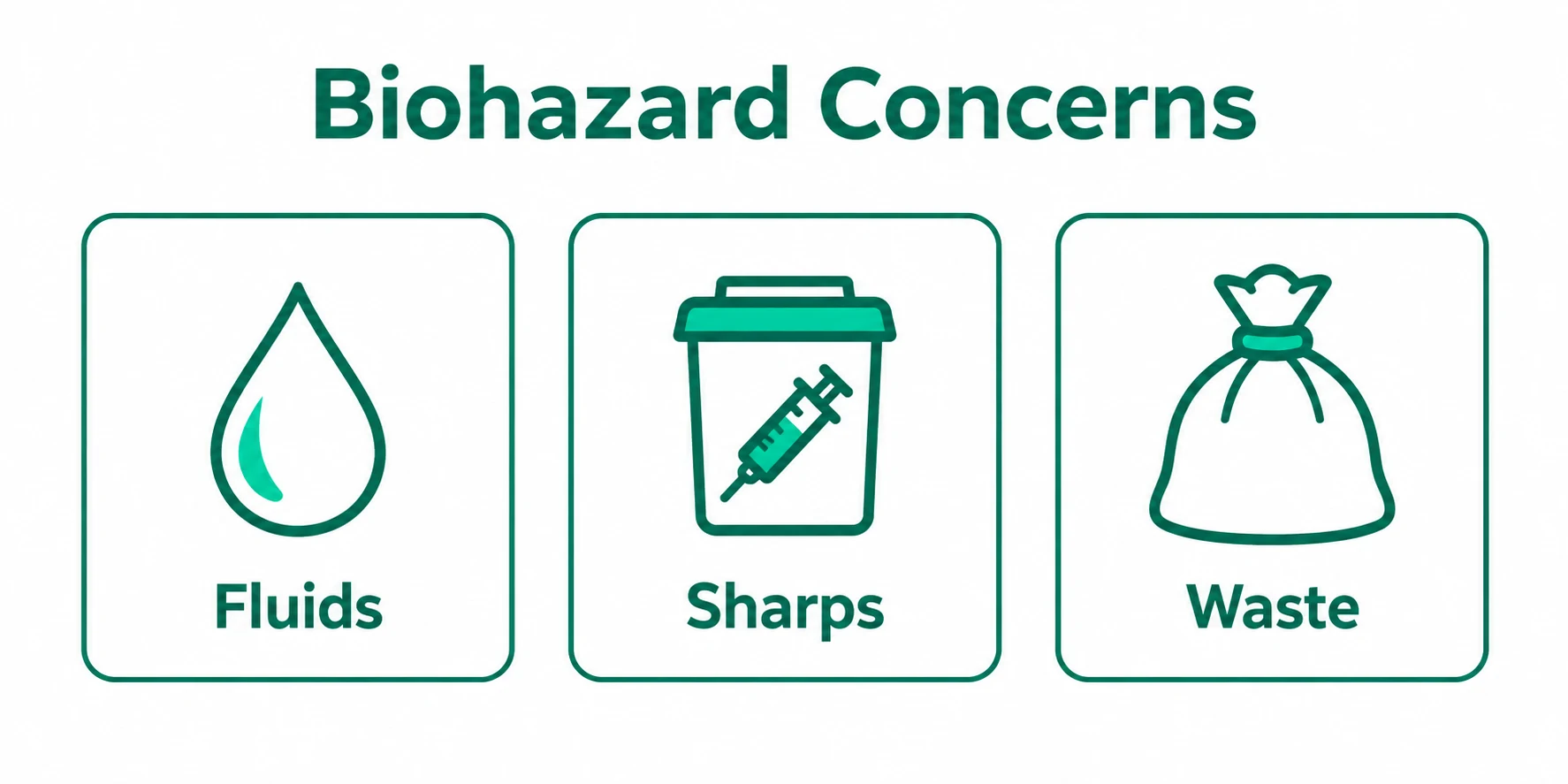
A biohazard concern is not defined by how unpleasant something looks. It is defined by risk. If a substance, item or affected area could carry harmful biological matter, create exposure for staff or visitors, or require controlled handling and disposal, it should be treated as more than routine cleaning.
Common examples include bodily fluids, blood, used needles, contaminated bedding or furniture, waste linked to poor living conditions, sewage residue, animal fouling, pest related contamination, mould affected materials, and areas connected with trauma or unattended death. These situations may need careful containment, specialist personal protective equipment, suitable disinfectants, controlled waste segregation and documented disposal.
General cleaning teams may be excellent at keeping workplaces presentable, hygienic and orderly, but they are not always trained or equipped for contaminated materials. Asking them to handle sharps, biological waste or unknown residues can place them in an unfair position. A specialist response protects the cleaners as much as it protects the building users.
For businesses and property managers, the trigger is often uncertainty. If you cannot confidently identify the contaminant, assess the exposure risk, clean it safely and dispose of waste correctly, it is sensible to speak to a professional biohazard team.
Situations where general cleaning may not be enough
There are several types of incident where a standard clean may leave risk behind, even if the area looks better afterwards. The first is any situation involving blood or bodily fluids. These materials can travel into porous surfaces, gaps, edges, flooring, upholstery and fixtures. A visible wipe down may not be enough to deal with the affected area properly.
Needles and sharps are another clear sign that specialist help is needed. Used sharps can be hidden in soft furnishings, toilets, external areas, void spaces, plant rooms, bins and neglected rooms. They should never be picked up by hand or placed in normal waste. A professional sweep reduces the chance of accidental injury and ensures items are collected in suitable containers.
Void properties and neglected interiors can also move beyond everyday cleaning. Where there is heavy waste, spoiled food, human waste, animal contamination, infestation related debris, mould, odour or unidentified staining, the clean needs a structured approach. The work may involve separating general waste from hazardous waste, identifying items that can be retained, and decontaminating surfaces once clearance is complete.
Trauma related cleaning and unattended death clean up require particular care. These are sensitive circumstances, often involving families, neighbours, employees, residents or vulnerable people. The practical clean is only one part of the response. Discretion, respect and clear communication matter just as much.
Mulberry Facilities Maintenance provides professional biohazard cleaning services for situations where contamination needs to be assessed, contained, removed and cleaned with the right procedures.
Why specialist handling matters
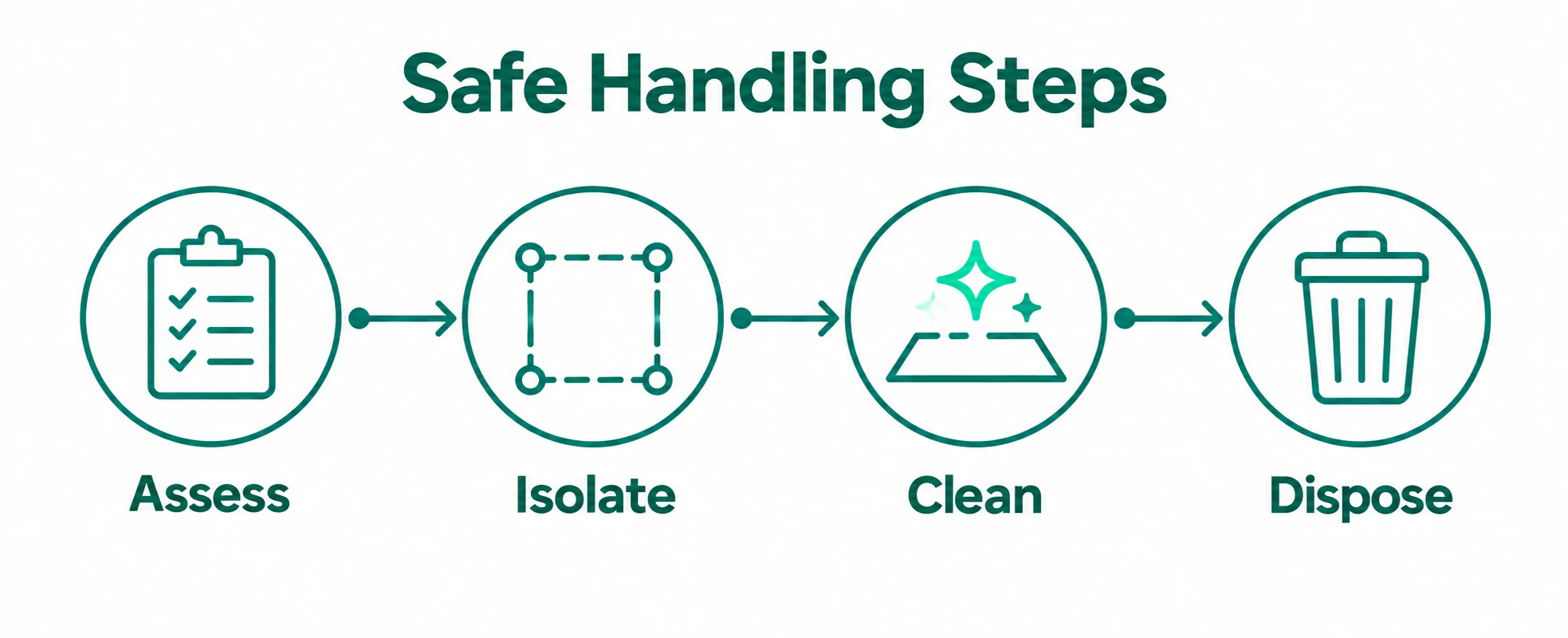
Biohazard cleaning is about controlling risk from start to finish. A specialist team will think beyond what can be seen. They will consider how contamination may have spread, which materials are affected, what waste routes are appropriate, and what is needed before the area can be returned to use.
That process usually starts with a practical assessment. The team needs to understand what has happened, who may access the area, whether there are sharp objects or unknown substances present, and whether any parts of the property need to be isolated while work takes place. This helps prevent people walking through contaminated areas or moving affected items into clean spaces.
Correct personal protective equipment is also important. Gloves alone may not be suitable where there is a risk from bodily fluids, airborne particles, mould spores, strong odour, chemical residues or contaminated waste. Specialist cleaners select protection based on the task rather than using the same approach for every job.
Cleaning products and methods matter too. Biohazard work may require targeted disinfection, controlled removal, careful bagging, hard surface cleaning, odour treatment and safe handling of porous materials. The aim is not simply to mask a problem, but to remove contamination and reduce the risk of exposure.
Waste is another key difference. Some items cannot go into normal waste streams. Sharps, contaminated textiles, absorbent materials and other hazardous items need appropriate containment and disposal. A professional response gives responsible managers greater confidence that waste has been dealt with properly.
Signs that you should call for advice
You do not need to know the exact category of contamination before asking for help. In many cases, the most useful first step is a conversation. A specialist can help you decide whether the issue is suitable for routine cleaning, needs a biohazard clean, or requires another type of contractor before cleaning can begin.
Consider calling for advice if any of the following apply:
- There are visible bodily fluids, blood, faeces, urine or vomit in a shared or sensitive area.
- Needles, blades, broken glass linked to contamination, or unknown sharp objects have been found.
- A room, flat, office, store, toilet or external area has been left in an unhygienic condition.
- There is strong odour, staining, spoiled materials or waste that may contain biological matter.
- Staff are unsure whether it is safe to enter, clean or remove items.
- The incident involves a vulnerable person, bereavement, trauma or another sensitive circumstance.
- The area needs to be returned to use with minimal disruption and clear confidence in the result.
Facilities managers and property teams often use a wider supplier network for building care, external areas and seasonal services. Where contamination is part of a broader maintenance issue, it can help to work with one team that understands both cleaning risk and property presentation. Mulberry Facilities Maintenance sets out its wider support through its facilities maintenance services.
What to expect from a professional response
A good biohazard cleaning response should feel organised, respectful and clear. The first conversation will usually focus on the nature of the incident, the type of property, access requirements, whether anyone is currently exposed to risk, and whether urgent attendance is needed. You should be able to explain the issue without feeling that you need technical language.
Once on site, the team will assess the affected areas and agree a sensible plan. This may include restricting access, removing hazardous items, clearing affected waste, cleaning and disinfecting surfaces, treating odour, and checking whether further work is needed. In sensitive cases, discretion is especially important. Professional cleaners understand that they may be working around difficult personal circumstances, residents, employees or members of the public.
Communication should remain practical. Responsible managers need to know what can be cleaned, what may need to be removed, and when the area is suitable to use again. Where there are limits, such as damaged porous materials or structural issues, those should be explained plainly.
For needle finds, the response may involve a targeted sweep of likely hiding places, safe collection, and disposal through suitable containers. For void properties, it may include clearance before deep cleaning. For contamination incidents, it may focus on removing affected materials before sanitising the area. The exact plan should reflect the actual risk, not a generic checklist.
Handled well, biohazard cleaning restores more than cleanliness. It restores confidence that the situation has been dealt with properly.
How to prepare before the team arrives
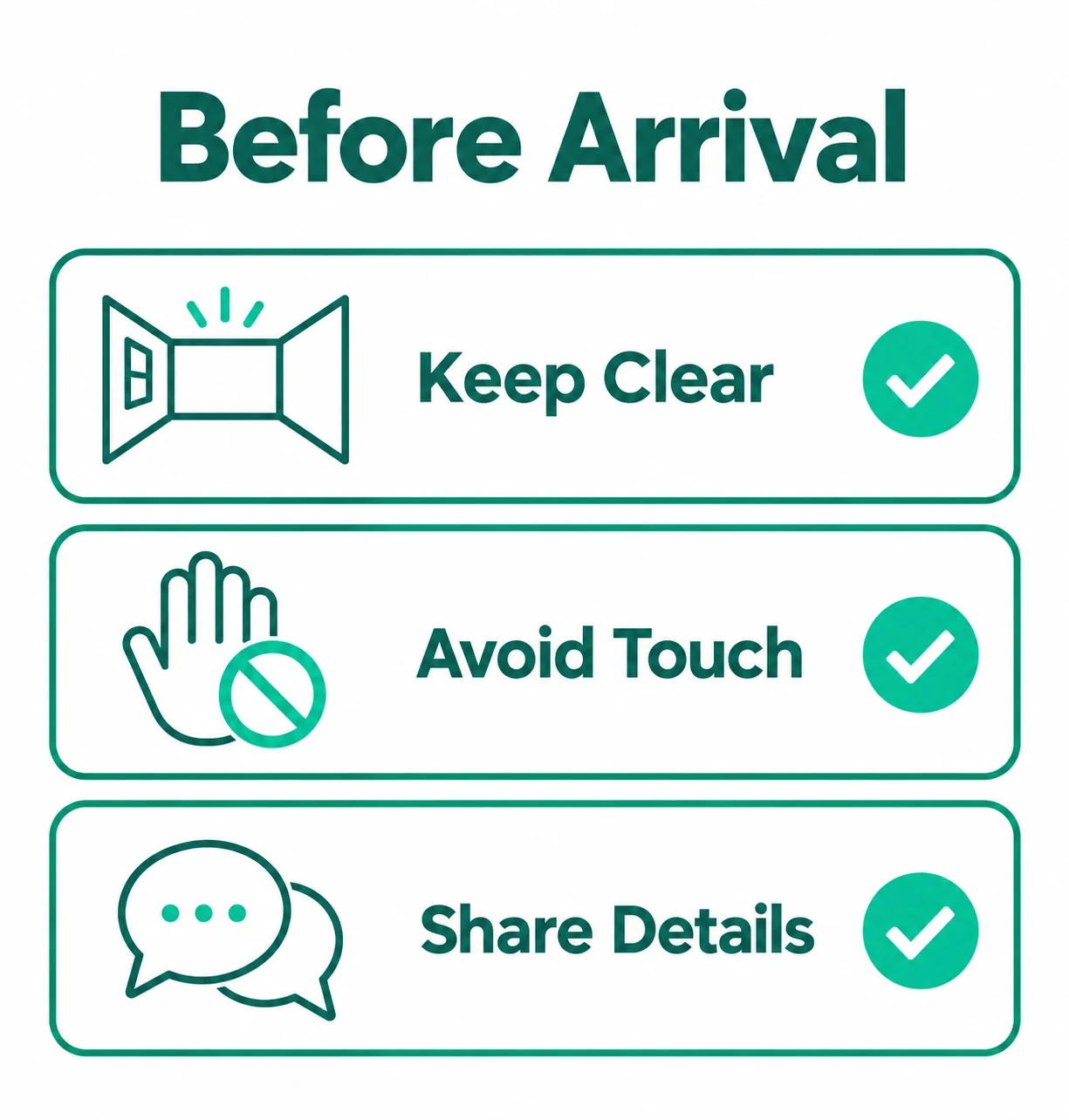
If you suspect a biohazard issue, the safest preparation is often to do very little physically. Keep people away from the affected area, avoid touching items, and do not ask untrained staff to investigate further. If the area is in a workplace or managed property, make a note of who has access and whether anyone may already have come into contact with the contamination.
Clear information helps the cleaning team respond effectively. Useful details include where the issue is located, what has been seen, whether sharps are present, whether there are odours, whether utilities are available, and whether keys or escorted access are needed. Photographs can sometimes help a provider understand the scope, but they should only be taken if it is safe and respectful to do so.
Do not mix contaminated items with ordinary waste unless a specialist has advised that it is suitable. Do not pour chemicals onto unknown substances, as this can create additional hazards or make the area harder to assess. If there is any risk of injury, exposure or distress, prioritise keeping people away and getting advice.
Biohazard incidents can feel uncomfortable to manage, but the process becomes much simpler when the right support is involved. A specialist team brings structure, equipment and experience, which allows you to focus on people, access and next steps.
- Biohazard cleaning is needed when contamination may create health, safety or waste handling risks.
- Blood, bodily fluids, sharps, void property contamination, trauma scenes and severe hygiene issues usually call for specialist advice.
- Professional cleaners assess the risk, contain the area, remove hazardous items and clean using suitable methods.
- Managers should keep people away from affected areas and avoid asking untrained staff to handle unknown contamination.
- A specialist response helps restore safe use of the space with clear, respectful communication.
Frequently asked questions
When should I call a biohazard cleaning company?
Call when there are bodily fluids, sharps, hazardous waste, severe hygiene issues, contamination after a traumatic event, or any situation where staff are unsure how to clean safely.
Can ordinary cleaners deal with bodily fluids?
Some routine incidents may be simple, but bodily fluids can carry risk and may affect hidden or porous surfaces. If there is uncertainty, heavy contamination or public exposure, specialist cleaning is the safer choice.
What should I do if I find needles on a property?
Keep people away from the area and do not pick the needles up by hand. A trained team can carry out a sharps sweep, collect items safely and arrange suitable disposal.
Is biohazard cleaning only for commercial properties?
No. Biohazard cleaning can be needed in many settings, including managed properties, workplaces, shared buildings and domestic properties where contamination requires careful handling.
Need calm, practical advice?
If you are dealing with contamination and are unsure what level of cleaning is needed, Mulberry Facilities Maintenance can help you decide the right next step.